
Security-Conscious Valet: Why Luxury Event Parking Demands Trained Operatives Over Standard Drivers
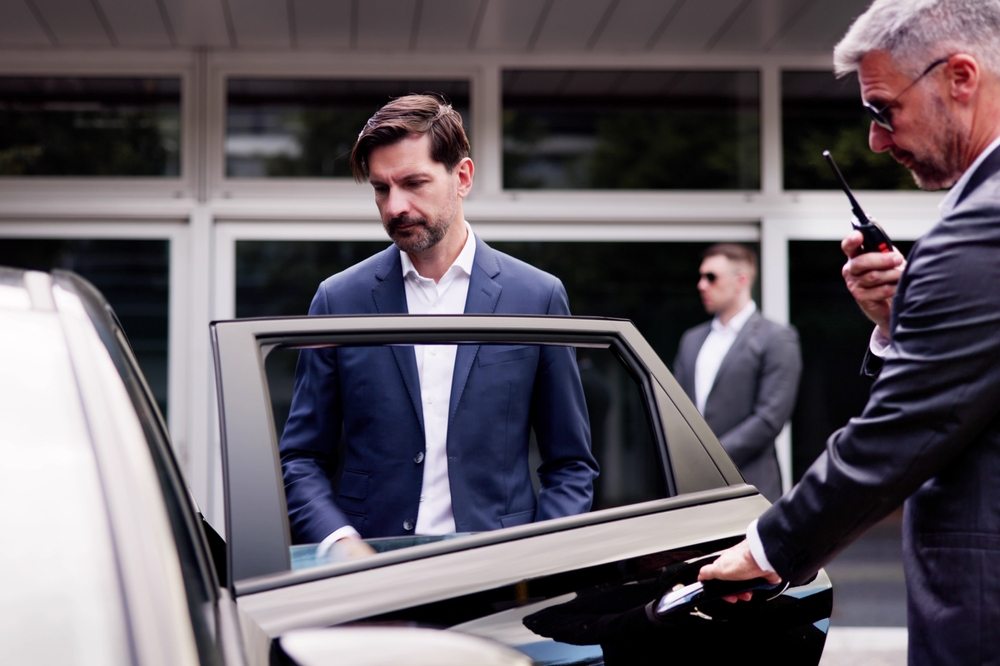
When high-net-worth individuals, corporate leaders, and high-profile figures gather for exclusive galas, private estate fundraisers, or executive retreats, arrival operations serve as the true front line of event security. At Hampton Protection Group, we know that luxury event parking is far more than an operational convenience. It is an active perimeter access point that requires tactical vigilance.
Relying on standard third-party parking attendants creates immediate vulnerabilities. High-profile guest arrivals bring concentrated vehicular traffic, valuable personal assets, and predictable access patterns right to the edge of your venue. Upgrading your parking management to security-trained operatives allows hosts to merge white-glove hospitality with active threat mitigation.
Hidden Risks at High-End Valet Stations
The arrival zone is often the most exposed area of a private venue. Standard valet services focus strictly on vehicle throughput, missing subtle environmental indicators that compromise guest safety.
- Unscreened Arrival Traffic: Standard parking attendants focus solely on taking keys and parking cars. They lack training to identify suspicious vehicles, counter-surveillance attempts, or unauthorized individuals observing guest drop-offs.
- Key Control and Vehicle Asset Gaps: High-value exotic and luxury vehicles parked off-site or along estate driveways present targets for theft, tampering, or unauthorized access if key tracking remains unmonitored.
- Chokepoint Congestion: Slow or disorganized valet processing traps high-visibility guests inside idling vehicles along public access roads, creating static targets for paparazzi, activist groups, or unwanted intrusions.
- Unvetted Temporary Personnel: Event staffing agencies often deploy seasonal workers without background checks or security training, creating insider threat risks around private property and personal credentials.
Operational Differences: Security Operatives vs. Standard Drivers
Security-conscious valet teams approach parking management through a protective lens, transforming drop-off lanes into active security checkpoints.
- Primary Operational Focus: Standard attendants target quick vehicle turnover, while Hampton Protection Group operatives prioritize guest safety, active perimeter control, and white-glove service.
- Background and Vetting: Standard services rely on casual or seasonal staffing pools. Security-conscious details deploy active and off-duty law enforcement officers with proven tactical backgrounds.
- Threat Awareness: Typical parking drivers have minimal situational awareness training. Security operatives possess advanced capabilities in threat recognition and real-time behavioral analysis.
- Crisis Readiness: Standard attendants depend entirely on standard 911 dispatch calls, whereas trained operatives provide immediate on-site emergency intervention and crisis control.
- Key and Asset Security: Basic services use simple key boards or unsecured boxes. Security teams use encrypted key tracking and continuous surveillance of designated staging areas.
Security Protocols for Luxury Valet Management
1. Front-Line Threat Screening and Access Verification
Security-trained valet staff evaluate incoming vehicles before doors open. Operatives verify guest credentials, spot uninvited vehicles attempting to join arrival queues, and monitor surrounding street traffic for unusual behavior or surveillance attempts.
2. Secure Staging Area Surveillance
Parked luxury vehicles require continuous protection throughout the event. Operatives establish dedicated, monitored parking zones with roving patrols to prevent vehicle break-ins, unauthorized photography, or physical tampering while guests are inside.
3. Seamless Coordination with Executive Protection Details
When high-profile guests arrive with private security teams or protective drivers, security-conscious valets speak the same language. They coordinate staging lanes, maintain clear egress routes, and assist executive drivers without disrupting protective coverage.
4. Rapid Emergency Egress Planning
Should an incident occur within the venue or along the perimeter, the valet zone becomes the primary evacuation route. Security operatives keep primary driveways clear, structure staging for quick vehicle retrieval, and direct emergency vehicle access without delay.
Advanced Counter-Surveillance in Arrival Zones
Arrival drop-offs attract uninvited observation. Photographers, investigative reporters, and unwanted observers frequently target valet zones to track guest lists and record private meetings.
- Vehicle Blind Spot Controls: Operatives position temporary privacy barriers, lighting arrays, or strategic vehicle placement to block line-of-sight angles from public roadways.
- Identifying Pattern Tracking: Security valets observe repeat drive-bys, stationary observers in nearby parked cars, or unauthorized drone activity near drop-off points.
- Discreet VIP Arrival Options: For high-profile attendees facing active threats, operatives coordinate secondary, private entry paths that bypass main public queues.
Physical Asset Protection and High-Value Vehicle Custody
Luxury events often attract multimillion-dollar exotic, classic, and bespoke vehicles. Managing these assets requires specialized operational protocols that prevent physical damage, unauthorized access, or joyriding during long event windows.
- Chain of Custody and Key Vault Protocols: Every vehicle key handed to an operative is logged instantly into a secure digital asset system. Keys remain stored in heavy-duty tamper-proof vaults, access-controlled by designated lead operatives rather than left on open key racks.
- Staging Area Perimeter Containment: Vehicle parking zones receive strict access restriction. Only credentialed operatives are permitted in designated parking spaces, preventing unvetted venue staff, catering crews, or curious bystanders from approaching high-value automobiles.
- Pre-Drop and Post-Park Damage Logs: Trained operatives conduct rapid, discrete visual inspections of vehicles upon arrival. Documenting preexisting conditions protects hosts, venue operators, and vehicle owners from false claims while ensuring complete asset transparency.
Mitigating Perimeter Bottlenecks and Traffic Flow Dynamics
A security breakdown at a luxury event often begins with traffic congestion. When vehicles back up along main access roads, guests remain trapped in stationary cars outside the protective footprint of the venue.
Security-trained valet managers design entrance geometries specifically to maintain continuous vehicle movement. Operatives calculate arrival rates, stage primary drop-off zones off public lanes, and establish express release routes for high-profile principals. By eliminating queue bottlenecks, security operatives reduce external exposure and keep arrival sequences moving fluidly.
Integrating Law Enforcement Authority into Private Hospitality
The arrival footprint of a high-end estate or commercial venue spans public streets and private property boundaries. Standard valet attendants lack the training and authority to handle public space disruptions or direct municipal traffic effectively.
Deploying active and off-duty law enforcement officers as valet leads bridges this operational gap. Law enforcement personnel bring recognized tactical presence and direct radio liaison with local police departments. If unauthorized individuals block access gates or stage unannounced demonstrations, active officers manage the boundary legally and decisively, preserving order while keeping guest arrivals calm and unobstructed.
Guest Experience, Confidentiality, and Discretion
Elevating security protocols does not mean sacrificing hospitality. High-net-worth guests expect warm, professional service that reflects the tone of an exclusive event.
- Strict NDA and Privacy Compliance: Operatives undergo rigorous vetting and sign binding non-disclosure agreements, ensuring guest identity, vehicle registration, and conversation details remain private.
- Polished Professional Conduct: Law enforcement and protective personnel maintain white-glove hospitality standards, greeting guests with courtesy and efficiency.
- Unobtrusive Threat Mitigation: Guests enjoy a welcoming arrival experience without noticing the comprehensive threat monitoring occurring around their vehicles.
Valet Security Checklist for Event Planners and Estate Managers
- Audit Valet Drop-Off Zones: Inspect entry lanes and staging areas for line-of-sight exposure and traffic bottlenecks prior to guest arrival.
- Establish Secure Key Protocols: Implement locked, monitored key storage with strict sign-out procedures for all personnel.
- Pre-Screen All Parking Staff: Require background checks and active security credentials for every driver handling guest vehicles.
- Coordinate Arrival Communications: Connect valet leads directly to main event security, estate guards, and executive detail leaders via private radio channels.
By closing arrival vulnerabilities and maintaining strict perimeter standards, hosts and property managers partner with Hampton Protection Group to deliver a safe, flawless event experience. Contact us today!