
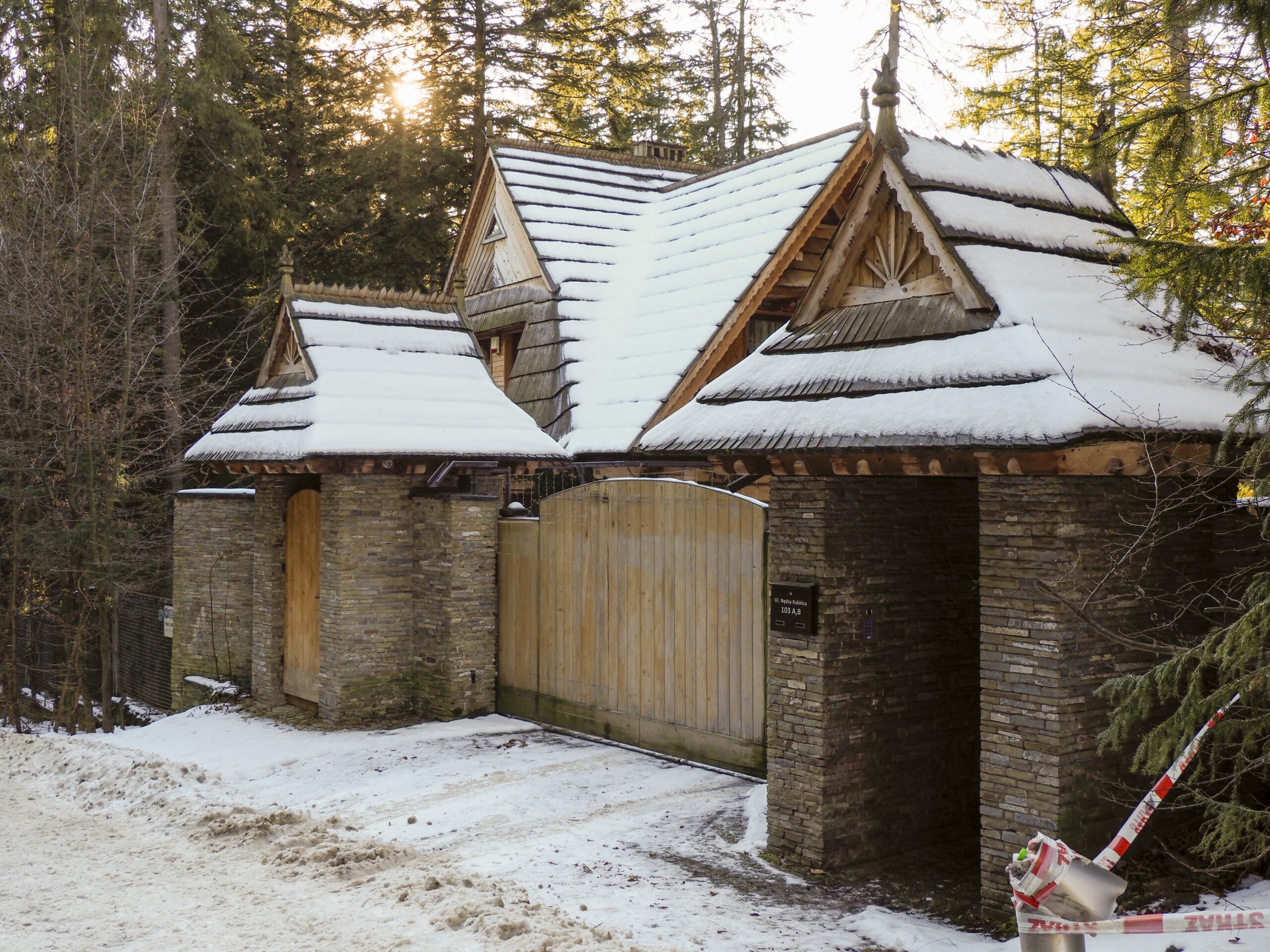
An estate that runs with a full household staff in August can sit dark and lightly monitored from November through April, and that seasonal swing is what makes winter the most exposed period of the year for a private residence. Good estate security services treat the migration itself as a distinct risk event, separate from the months on either side of it. The travel days, the closing-up routine and the skeleton crew left behind all create openings that do not exist when the family is home.
Below is how Hampton Protection Group LLC thinks about the winter window for residential security patrol in The Bronx, from the week before departure through the spring reopening.
Why the Closing-Up Week Is the Riskiest Stretch
More people know an estate’s schedule than most families realize. Movers, landscapers winterizing irrigation, pool companies draining lines, caterers wrapping up the last event of the season and household staff whose contracts end in October all have calendar knowledge, and some of them talk.
The pattern we see repeatedly is a property that goes quiet on a predictable date every year. Predictability is the single most useful thing you can hand a person planning a burglary, and research published by the Bureau of Justice Statistics found a household member was present during roughly 28 percent of burglaries, which is exactly the deterrent that disappears when the house empties out.
Practical steps during that week:
- Stagger the departure footprint. Avoid moving vehicles, luggage and art crates out on a single visible afternoon.
- Re-key or re-code after the last vendor leaves, including gate codes, safe room codes and alarm user codes assigned to seasonal staff.
- Inventory what stays. Artwork, wine, watches, vehicles and firearms left on property should be documented with photographs and serial numbers before anyone locks up.
- Keep the travel itself off social media, including posts by staff, children and houseguests.
Winter Weather Breaks Security Systems, Not Only Pipes
Cold-weather failures are usually discussed as a property maintenance issue, but they are a security issue first. A multi-day power outage drains camera backup batteries, knocks cellular alarm communicators offline once their batteries deplete and leaves automated gates in whatever default position the installer configured, often open.
Heavy snow blocks the service road a response team would use. Ice takes out the tree limb that falls on the perimeter fence. A frozen water line that bursts in January can run for days inside a vacant house, and the first person to discover it is frequently a neighbor, not the owner.
Winter also brings a seasonal spike in home heating fires, which the National Fire Protection Association identifies as a leading cause of residential fires, with December, January and February accounting for the heaviest share. An unoccupied estate with generators, space heaters in staff quarters and a loaded mechanical room needs someone physically walking it.
A winter checklist for the technical side of private residence security:
- Test generator transfer under load before the first freeze, not after an outage.
- Confirm alarm panel battery age; most sealed lead-acid backups lose reliability after three to five years.
- Verify that cameras covering approaches still have usable sight lines once leaves drop and snow banks build.
- Set low-temperature and water-flow sensors to alert a monitored party, not an email inbox nobody checks from another state.
- Document who has authority to grant access during an emergency, in writing, with a callback number.
Vetting the Small Group Who Still Has Access
Winter access lists get sloppy. A caretaker brings a cousin to help shovel. The snow removal contractor subcontracts the job. An alarm company sends a technician nobody recognizes, and the one person on site waves him through because it is 20 degrees out and the gate conversation is unpleasant.
Background screenings on everyone with recurring access, including subcontracted labor, are the least expensive control available. Hampton Protection Group LLC handles screenings alongside surveillance and canine coverage, and our position is that the vetting should happen before October, not after an incident in February.
We also recommend a single written access protocol posted where the caretaker works: who is expected, what days, what identification is required and who to call when someone shows up unannounced.
Covering Two Residences at Once
Seasonal migration rarely means the northern property is empty and the southern one is full. In practice, a principal flies back for board meetings, adult children use the main house over the holidays and a staff member lives on site year-round. Security for high profile families during this period means running two coverage plans that share information rather than two vendors who have never spoken.
What that coordination should include:
- One advance process for both residences, so arrival logistics, route planning and local law enforcement liaison follow the same standard.
- Shared threat intelligence, including any correspondence, online fixation or trespass incident logged at either property.
- Consistent medical capability. Our teams include guards trained in CPR along with First Responders, EMTs and Paramedics, which matters more in a rural winter setting where ambulance response times stretch.
- A defined escalation chain listing who calls whom at 3 a.m. and in what order.
Patrols, Canines and Why Presence Still Outperforms Technology
Cameras record. People intervene. A vacant estate benefits most from randomized physical checks at varying hours, because a fixed 9 p.m. patrol simply tells an observer when the property is clear for the other 23 hours.
Canine teams are particularly effective on large winter parcels where perimeter walking is slow and sight lines are poor. Tracks in fresh snow tell a trained handler a great deal about who approached the house, from which direction and whether they came back.
Hampton Protection Group LLC is owned and operated by law enforcement professionals. Our owner has been a police officer since 2005, completed SWAT school in 2008, and has provided dignitary protection for high-level United States government officials, presidential candidates and dignitaries, along with celebrities, VIPs and high-net-worth clients carrying significant risk profiles. That background shapes how we plan a winter coverage schedule: around behavior and patterns, not around equipment brochures.
Reopening the House in Spring Without Importing a Problem
The April reopening deserves the same discipline as the fall closing. Codes change again. Returning seasonal staff get re-screened. Someone physically inspects every door, window, outbuilding and vehicle bay before the family arrives, rather than after.
If anything was discovered over the winter, a forced outbuilding latch, an unexplained vehicle on camera, a drone sighting, that record should carry forward into the summer security plan instead of being filed and forgotten.
Frequently Asked Questions
How Often Should a Vacant Estate Be Checked in Winter?
Most vacant high-value properties warrant physical checks two to four times per week at randomized hours, with daily checks during extended freezes or storms. The frequency depends on parcel size, road access and what remains on site, and remote monitoring does not replace a person opening mechanical rooms and walking the perimeter.
Does Homeowners Insurance Cover a Property That Sits Empty for Months?
Many policies restrict or exclude coverage once a dwelling is unoccupied beyond 30 to 60 consecutive days unless a vacancy endorsement is in place. Carriers frequently ask about documented check-in schedules and monitored alarms, so keeping patrol logs can matter at claim time.
What Is the Difference Between a Caretaker and Estate Security Services?
A caretaker manages property conditions, while a security team manages threat, access control and response, and the two roles require different training.
Should Security Travel With the Family or Stay With the Property?
Most families with higher risk profiles split coverage, keeping residential posts at both homes while close protection travels with the principal. The split is driven by who is actually exposed, and travel days are typically the highest-risk portion of the entire migration.
Can Security Be Arranged for Only Part of the Winter?
Yes, seasonal and short-term engagements are common, including holiday-only coverage, storm response and single-event posts. Advance planning gives the team time to run screenings and complete a site survey before the first shift.
Plan Your Winter Estate Coverage With Hampton Protection Group LLC
If your property is closing for the season or you are coordinating protection across two residences, we can walk the site, review access lists and build a winter schedule around how your household actually operates. Reach out to Hampton Protection Group LLC to discuss coverage, and know that we treat client privacy as the starting point of every conversation.